Categories
Atmospheric Water Generators

How U.S. Counties Are Deploying AWGs for Water Access

Water Inequality Problem in America

In the world’s richest country, millions of Americans still lack reliable access to clean drinking water. Rural communities, especially in the southern and western U.S., face the double burden of infrastructure decay and contamination.

A recent report from the EPA estimates that over 2 million Americans live in places without basic running water, while another 44 million receive tap water that violates federal health standards. (EPA Safe Drinking Water Report, 2025)

But that narrative is changing — and technology is playing the hero.

Across the U.S., Atmospheric Water Generators (AWGs) are being deployed not just as innovative devices but as public infrastructure tools that deliver clean, self-sufficient water to underserved communities.

Texas Leads the Way

In Webb County, Texas, local officials recently approved a $2 million federal grant to install over 300 AWG units in rural “colonias” — unincorporated communities that often lack access to safe, treated water.

These AWGs, powered by solar energy, will produce thousands of gallons of potable water daily, serving families that previously relied on bottled deliveries or contaminated wells.

“For the first time, families will have access to safe, renewable water right at home,”
Veronica Escobar, Webb County Commissioner (2025)

This marks one of the largest AWG community deployments in the U.S. and sets a precedent for how technology can fill critical gaps in America’s water infrastructure. (LMT Online Report)

Why Counties Are Turning to Atmospheric Water

Unlike wells, pipelines, or bottled deliveries, AWGs are:

  • Independent — No connection to contaminated or aging infrastructure.

  • Fast to Deploy — Installation takes hours, not months.

  • Cost-Effective — Once installed, water costs drop to cents per liter.

  • Sustainable — Units can run on renewable solar power, producing zero waste.

Local governments are realizing that AWGs offer a long-term investment in water resilience, not a short-term patch.

With climate pressure, PFAS contamination, and funding incentives aligning, the timing is perfect for counties to invest in decentralized water production.

The Policy Shift: Grants and Federal Support

In 2025, the U.S. government expanded several programs that now support atmospheric water technologies:

  • FEMA Resilient Infrastructure Grant Program (RIPG) — Funds for emergency-ready AWG systems in flood- or drought-prone zones.

  • USDA Rural Development Funds — New eligibility for off-grid water generators for agricultural and community use.

  • DOE Clean Tech Incentive Program — Offers up to 30% tax credits for renewable-powered AWG installations.

This policy shift signals growing national recognition that water-from-air technologies are not experimental anymore — they’re essential to America’s climate and public health strategy.

Real-World Impact: What Communities Are Experiencing

Communities that have deployed AWGs report immediate, tangible benefits:

Metric Before AWG Deployment After AWG Deployment
Access to Potable Water 46% of homes 100% of homes
Average Household Water Cost $60/month <$15/month
Plastic Bottle Waste 15,000 bottles/month <500 bottles/month
Public Health Incidents (Waterborne) 12 cases/year 0 cases/year

(Source: Webb County Pilot Study, 2025)

The data speaks volumes — AWGs not only deliver water, they build health, resilience, and dignity.

How Altitude Water Is Powering the Change

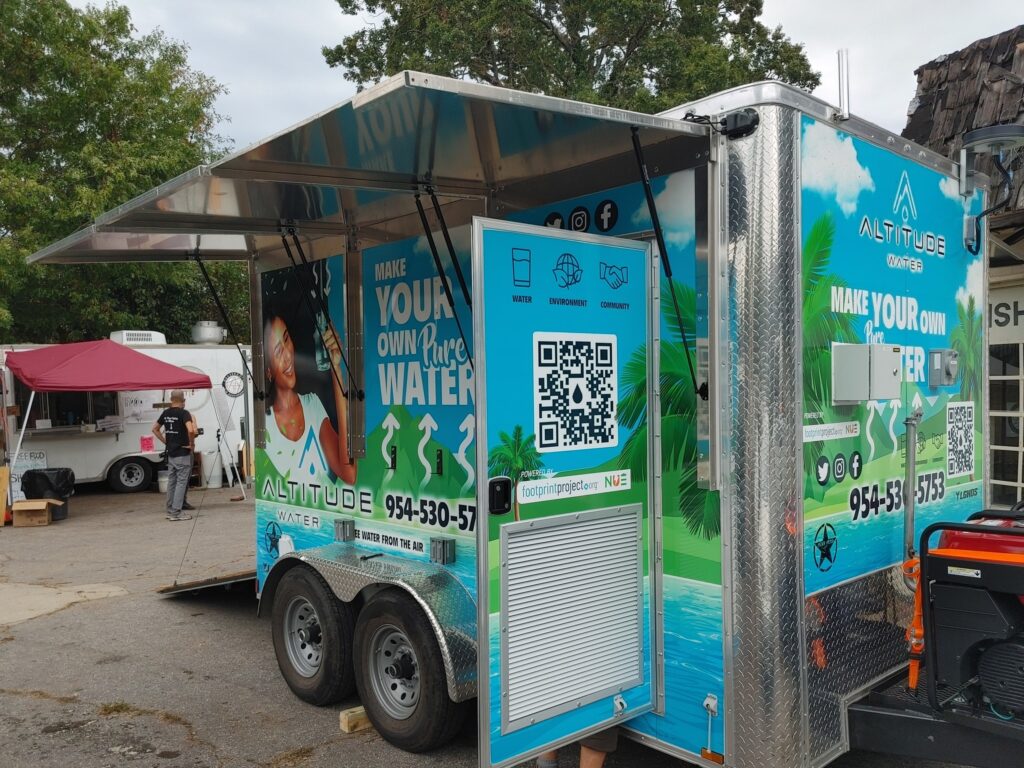
At Altitude Water, we’re proud to support counties, schools, and local organizations across the U.S. with custom-engineered AWG systems.

Our government and institutional solutions are:

  • Rapidly Deployable: Designed for low-maintenance setup.

  • Solar-Compatible: Perfect for remote or off-grid regions.

  • High Output: Systems capable of generating up to 5,000 liters per day.

  • Completely Modular: Scale up from household units to municipal clusters.

We collaborate directly with local authorities to help design, fund, and execute AWG integration projects — ensuring that clean water becomes a right, not a privilege.

“When technology meets compassion, entire communities rise.”
Altitude Water, 2025

The Road Ahead: Localized Water Independence

As counties see measurable success, expect a ripple effect.

Within the next five years, experts project over 25 states will integrate AWGs into local emergency and infrastructure plans (Water Industry Journal 2025).

The trend is clear:

  • Water generation is going local.

  • AWGs are going mainstream.

  • And Altitude Water is leading that transformation.

Final Thoughts

America’s water future isn’t about pipes, trucks, or bottles. It’s about independence — powered by the air we all share.

Atmospheric Water Generators are proving that technology can bridge the gap between scarcity and abundance.

From Webb County to Washington D.C., communities are discovering a truth that will define the next century of water access:

Clean water shouldn’t depend on where you live. With AWGs, it doesn’t have to.

👉 Learn more about Altitude Water’s community and government partnerships at altdwater.com
Categories
Atmospheric Water Generators

Atmospheric Water Generators are the Future of Clean Water

Once viewed as experimental technology, Atmospheric Water Generators (AWGs) are rapidly becoming mainstream. These innovative machines extract moisture directly from the air, filter it, and produce pure drinking water—free from contamination, infrastructure dependence, or plastic waste.

What was once seen as niche or futuristic is now being recognized as a critical pillar in global water security. The latest data proves it.

The Market Has Spoken: AWGs Are Going Mainstream

According to Global Market Insights, the global Atmospheric Water Generator market—valued at USD 2.7 billion in 2024—is expected to more than double to USD 6.7 billion by 2034, growing at a compound annual growth rate (CAGR) of 9.5% (Global Market Insights Report).

A separate analysis by Future Market Insights forecasts the AWG industry to reach USD 6.5 billion by 2035, with North America leading global adoption (Future Market Insights).

Why? Because traditional water systems — from aging municipal pipelines to polluted groundwater sources — are increasingly unreliable, and consumers are seeking independence from them.

What’s Driving the Explosion in Demand

Three powerful global forces are converging to push AWGs into the mainstream:

1️⃣ The Water Contamination Crisis

From lead in Flint, Michigan, to PFAS “forever chemicals” found in the tap water of 165 million Americans, contamination is pushing people to seek safe alternatives.

The Environmental Working Group (EWG) revealed in 2025 that over 60% of tested U.S. water systems contained PFAS levels above federal safety limits (EWG 2025 Report).

Atmospheric Water Generators completely bypass contaminated systems. By drawing water vapor directly from air, then filtering it through activated carbon, UV light, and mineralization, AWGs deliver water that’s naturally pure and safe to drink.

2️⃣ Climate Change & Drought

Across the American Southwest, prolonged droughts and declining groundwater levels are redefining how communities think about water. California, Texas, and Arizona face increasing pressure to diversify water sources as lakes and aquifers continue to shrink.

AWGs solve this problem elegantly — they create fresh water anywhere, without drilling wells, tapping rivers, or transporting plastic bottles.

With the U.S. entering an era of climate resilience, devices that ensure local, renewable water are becoming indispensable.

3️⃣ The Sustainability Movement

As the world races toward net-zero goals, businesses and consumers alike are seeking sustainable alternatives to plastic-heavy, energy-intensive water systems.

Each year, Americans discard more than 60 million plastic water bottles, most of which end up in landfills or oceans (EPA Plastic Waste Data).

By replacing bottled water and reducing carbon-intensive transportation, AWGs deliver sustainability and savings.

Altitude Water’s AWG systems eliminate up to 10,000 single-use plastic bottles per household each year.

Who’s Buying AWGs in 2025 — and Why

The AWG boom is not just residential. Across industries, organizations are embracing AWGs as part of their operational and sustainability strategies:

🏨 Hospitality & Tourism

Hotels and resorts are replacing bottled water with AWGs to enhance their eco-friendly credentials and reduce supply-chain dependency.

🏢 Corporate Offices

Businesses use AWGs to provide healthy hydration for employees while demonstrating environmental leadership — a growing trend in ESG reporting.

🏥 Hospitals & Healthcare

Medical facilities require consistent access to purified water; AWGs deliver it safely and autonomously.

🏫 Educational Institutions

Universities and schools are installing AWGs as part of climate-education initiatives and cost-saving green upgrades.

🏠 Homes & Small Businesses

Consumers want control. Instead of relying on uncertain municipal supply, they’re opting for devices that make clean water from the air itself.

The Economics of Water Independence

The economics of AWGs are becoming increasingly attractive. As technology efficiency rises, the cost per liter of AWG water has fallen by nearly 40% since 2020.

While bottled water averages $1.50 to $2.00 per liter, most AWGs now generate water for under 25 cents per liter over their lifecycle — and prices continue to decline.

For businesses, this means ROI within two years and an environmental story that resonates with consumers.

Altitude Water customers report reducing bottled-water purchases by over 90% within the first month of installation.

The Technology Driving the Growth

Modern AWGs combine physics, material science, and renewable energy. Key innovations include:

  • Hybrid Condensation Systems: Operate efficiently across varied humidity and temperature levels.

  • Smart Energy Management: Sensors regulate cooling cycles for minimal power consumption.

  • Integrated Solar Options: Off-grid systems for remote or disaster-prone areas.

  • Real-Time Monitoring: IoT-based dashboards track output, humidity, and purity.

Altitude Water’s latest systems are equipped with AI-driven controls to optimize water production dynamically based on local climate data.

2025: The Tipping Point for AWGs

2025 isn’t just another year — it’s the year AWGs become essential.

From government funding for sustainable water systems to corporate ESG initiatives, all indicators point toward mass adoption. Even the United Nations Environment Programme (UNEP) has identified atmospheric water capture as a key innovation in the fight against water scarcity.

With rising demand and falling costs, the future of clean water is shifting from underground pipelines to air-based ecosystems — decentralized, efficient, and sustainable.

The Altitude Water Advantage

At Altitude Water, we’re not just following the AWG revolution — we’re leading it.

Our systems are engineered for:

  • Scalability — From single-family homes to industrial complexes

  • Reliability — Designed to perform in both humid and arid environments

  • Purity — Multi-stage filtration ensures consistently clean water

  • Sustainability — Zero waste, zero dependence on bottled water

Water Independence Starts Here.

👉 Explore our complete range of AWG systems at altdwater.com and discover how you can own your water future.

Categories
Atmospheric Water Generators Disaster Relief

The Future of Water Is in the Air: Why 2025 Is the Year Atmospheric Water Generators Go Mainstream

Why Now? Rising Risks, Rising Demand


Water contamination and scarcity are no longer distant threats—they’re happening now. According to new data, 165 million Americans are exposed to PFAS (so-called “forever chemicals”) in their drinking water. EWG Meanwhile, the U.S. EPA is moving to roll back standards for several PFAS chemicals, weakening protections for many communities. Newsweek

At the same time, the atmospheric water generator (AWG) market is projected to grow from USD 3.0 billion in 2025 to USD 6.5 billion by 2035, at a CAGR of approximately 8%. Future Market Insights North America, in particular, is seeing increased investment in AWG tech. Consegic Business Intelligence+1

These overlapping trends—rising water risk and expanding AWG markets—make 2025 a pivotal year for water-from-air technology adoption.

What’s New in AWG Innovation


Passive & Hybrid Harvesting Techniques

Engineers are pushing AWGs beyond active cooling systems. A recent study on bioinspired material architecturesdemonstrated a novel way to capture moisture—even at 35% relative humidity—by combining hydrogels and desiccants. arXiv This kind of innovation helps AWGs work better in drier regions, reducing energy demands.

Another advancement in condensation design focuses on groove spacing for drainage—a discovery that allows more efficient droplet shedding and reduces retention of stagnant water on surfaces. arXiv Better condensation control means greater yield and less energy loss.

Market & Scale

As prototypes secure more funding, commercial AWGs are scaling rapidly. Cooling-condensation technology remains dominant, currently making up over 62% of the technology segment in 2025 projections. Future Market Insights Static systems (fixed installations) are also grabbing more than half of market share. Future Market Insights

Moreover, strategic partnerships between AWG firms and water utilities are becoming common, enabling hybrid systems and faster deployment in urban settings. Yahoo Finance

Why AWGs Matter for the U.S. Buyer in 2025


1. Contamination Shield

With PFAS, lead, disinfection byproducts, and microplastics threatening many water systems, AWGs offer a way to bypass contaminated mains entirely. Purification occurs at the point of generation, eliminating many risks.

2. Resilience & Independence

Floods, infrastructure failure, or regulation rollback? AWGs enable water autonomy. During the 2025 Milwaukee floods, for instance, sewer overflows and infrastructure damage compromised water systems for thousands. Wikipedia

3. Lower Lifetime Cost

As tech improves and manufacturing scales, the cost per liter of water from air is trending downward. AWGs cease being niche gadgets and shift toward viable household and commercial investments.

4. Green Branding & Sustainability

For businesses and institutions, deploying AWGs sends a strong signal of environmental leadership — reducing plastic waste, carbon emissions, and dependence on municipal systems.

How Altitude Water Fits Into This Shift


At Altitude Water, we’re integrating the latest innovations—from moisture-absorbing materials to smarter condensation surfaces—into production-ready AWG systems. That means our units:

  • Perform efficiently even in lower humidity

  • Consume less energy per liter

  • Scale from residential to utility level

  • Offer water that’s independent, pure, and customizable

We also monitor market trends and partner with emerging AWG companies to bring the best technologies to your doorstep.

Get Started with Water From Air


This is not the future. It’s now.

If you’re ready to reduce your exposure to contaminated water, upgrade to a sustainable, future-proof source, or lead in green infrastructure — explore our AWG systems today.

👉 Visit altdwater.com to see models, get quotes, and secure your water independence.

Categories
Atmospheric Water Generators Disaster Relief Machine Contracts

The Portable Promise: Water Anywhere, Anytime

The way we think about water is changing. In 2025, atmospheric water generators (AWGs) are moving from futuristic concepts to practical solutions that households, businesses, and communities across the U.S. are adopting. From portable prototypes in disaster relief to scalable systems serving entire cities, AWG technology is becoming a cornerstone of sustainable water independence.

The Portable Promise: Water Anywhere, Anytime


Recent engineering breakthroughs are delivering lightweight, portable AWGs capable of producing several liters of pure drinking water daily.

3D-Printed Prototypes: Innovative 3D-printed AWGs are showing that families can meet their daily needs with compact, modular devices. GE’s AIR2WATER Box: Designed for rapid deployment, GE’s portable AWG system uses advanced heat exchangers and metal sponges to produce up to 500 liters daily — enough to support disaster relief efforts or rural communities (GE Research).

These solutions are game changers for:


Emergency relief operations during hurricanes, wildfires, or tsunamis Military and government agencies working in remote or hostile terrains Families in off-grid areas seeking independence from unreliable infrastructure


Scaling Up: AWGs for Homes, Businesses, and Cities


While portable devices capture headlines, the real momentum is in commercial and municipal-scale AWGs.

Industries leading adoption:

Hotels & Resorts: Reducing plastic waste by eliminating bottled water. Hospitals & Clinics: Ensuring access to pure, contamination-free water for patients. Corporate Campuses & Government Facilities: Building resilience against infrastructure breakdowns or contamination events.

The global AWG market, valued at $2.7 billion in 2024, is expected to surpass $6.7 billion by 2034, with North America as one of the fastest-growing regions (Custom Market Insights).


Why 2025 Is the Tipping Point

Several factors are making 2025 the breakthrough year for AWG adoption:

Technology Diversification: From solar-compatible portable devices to multi-thousand-liter commercial units. Consumer Awareness: Growing concerns about PFAS “forever chemicals” and cancer-linked TTHMs in U.S. tap water (EWG report). Sustainability Goals: Businesses seeking to eliminate plastic waste and cut transport emissions are turning to AWGs.

The Altitude Water Advantage

At Altitude Water, we deliver more than machines — we deliver peace of mind. Our AWGs are engineered for:

Purity: Multi-stage filtration including UV sterilization and activated carbon. Resilience: Reliable water generation regardless of municipal failures. Sustainability: Zero plastic waste and reduced carbon footprint. Scalability: From home systems to community-wide installations.

Water independence is no longer a dream. With AWGs from Altitude Water, it’s a reality in 2025.

“Ready to own your water future? Contact Altitude Water today.”

The rise of AWG technology in 2025 marks the beginning of a new water era, one where families, businesses, and cities can produce their own clean, safe, and sustainable drinking water. From portable prototypes designed for emergencies to scalable solutions powering industries, AWGs are here to stay.

🌍 And with Altitude Water leading the way, America is stepping into a future where water is not just available, but independent, pure, and sustainable.

Categories
Atmospheric Water Generators Water contamination Water Wisdom

America’s PFAS Crisis: Over 160 Million Need Safer Water

PFAS Crisis: The Invisible Threat in U.S. Tap Water


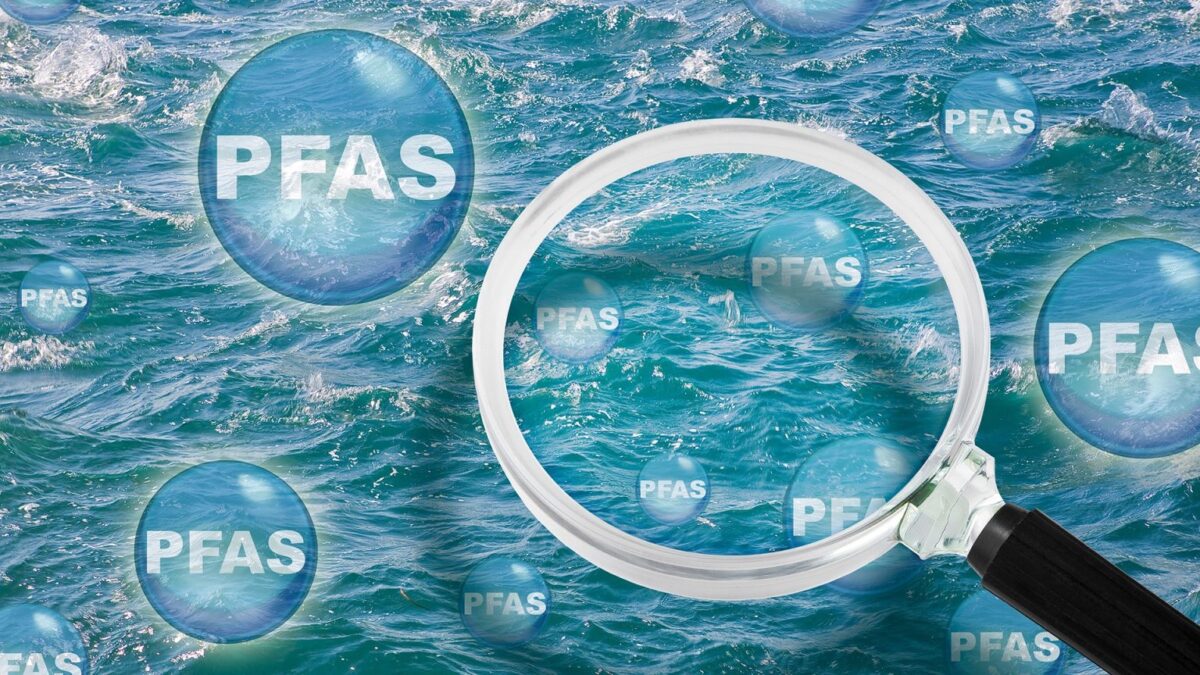
Across the United States, millions of families assume their tap water is safe. Yet, new research reveals that over 160 million Americans are exposed to toxic PFAS chemicals—also known as “forever chemicals”—in their drinking water (EWG).

PFAS don’t break down naturally and accumulate in the human body over time. They’ve been linked to cancer, immune disorders, hormonal disruption, liver damage, and developmental issues in children. Even at trace levels, these contaminants pose a long-term health risk.

The problem is not isolated. In 2025 alone, EPA testing has confirmed PFAS contamination in drinking water systems across all 50 states, affecting households, schools, businesses, and military communities.

Where Do PFAS Come From?


PFAS are used in thousands of products—nonstick cookware, waterproof clothing, firefighting foam, food packaging, and industrial processes. Over decades, these chemicals have seeped into groundwater and rivers, eventually entering municipal water systems.

A landmark U.S. study in July 2025 showed that wastewater treatment plants and sewage sludge are major sources of PFAS entering drinking water supplies (The Guardian). This means that even treated water often carries dangerous PFAS levels.

Why Filters and Bottled Water Fall Short


Filtration systems: While some advanced filters can reduce PFAS, they require costly maintenance and don’t always capture the full spectrum of contaminants. Bottled water: Not only is bottled water expensive and inconsistent in quality, but it also contributes to America’s plastic pollution crisis, with over 60 million bottles discarded daily.

Both solutions treat symptoms—not the root problem. What families need is a source of pure water that never touches contaminated pipes or polluted groundwater in the first place.

Atmospheric Water Generators: A Clean Break from PFAS


Atmospheric Water Generators (AWGs) provide exactly that. By pulling water directly from the air and purifying it through advanced multi-stage filtration, AWGs deliver consistently pure, safe, and sustainable drinking water—free from PFAS, lead, microplastics, and other contaminants.

Key Benefits for U.S. Families and Businesses:


Guaranteed purity: Independent from municipal supply and failing infrastructure. On-demand supply: Produces fresh water daily, at home or office. Sustainability: Eliminates plastic bottles, reduces carbon footprint. Peace of mind: Protects your family or workplace from invisible contaminants.

Unlike traditional solutions, AWGs don’t just “clean” contaminated water—they create brand new water at the source, completely avoiding polluted systems.

The PFAS Crisis Is Fueling a Shift in How America Thinks About Water


With PFAS lawsuits rising, government regulations tightening, and contamination headlines increasing, more families and organizations are searching for independent water security solutions.

Schools, hospitals, hotels, and businesses are turning to AWGs as a safe and forward-looking alternative. For homeowners, AWGs are becoming the gold standard for ensuring children and loved ones have access to water they can trust.

This mirrors the solar power revolution: just as people embraced solar panels to cut ties with unreliable energy grids, AWGs are driving a shift toward water independence.

Don’t Wait for the Next Water Crisis


PFAS contamination is not going away—it’s spreading. And while the EPA works to regulate and reduce exposure, millions of Americans are drinking water with chemicals that will stay in their bodies for decades.

Atmospheric Water Generators offer a way out: pure water from the air, protected from forever chemicals and future contamination.

👉 Protect your family, your business, and your health. Explore Altitude Water’s Atmospheric Water Generators today.


Categories
Atmospheric Water Generators Water Wisdom

Tsunami of News and an Ocean of Opportunity

If you are reading this blog, then you obviously follow Altitude Water and are aware of the three news releases we just released last week. You may be thinking, ‘quiet for some time and now a flurry of activity?’. Agreed, but when running an emerging growth technology company you don’t get to choose timing. Also, we warn you…we are not done yet.

Our last blog focused on updating you about our evaluation process and planning phase for moving forward. The thing about water and our technology is it touches so many different markets and is applicable to numerous industries. We must know, we have the resources and capital to enter these markets and penetrate them successfully.

If you have been paying attention, Altitude Water has transitioned from an Atmospheric Water Generator Manufacturer into a Water Technology Company. If you look at the third slide of our presentation: https://altdwater.com/wp-content/uploads/2025/01/Altitude-Water-Presentation-full-scrub-website.pdf, it is obvious we are more than just an AWG company.

Now it’s time to play connect the dots, as you will see where these announcements are taking us.

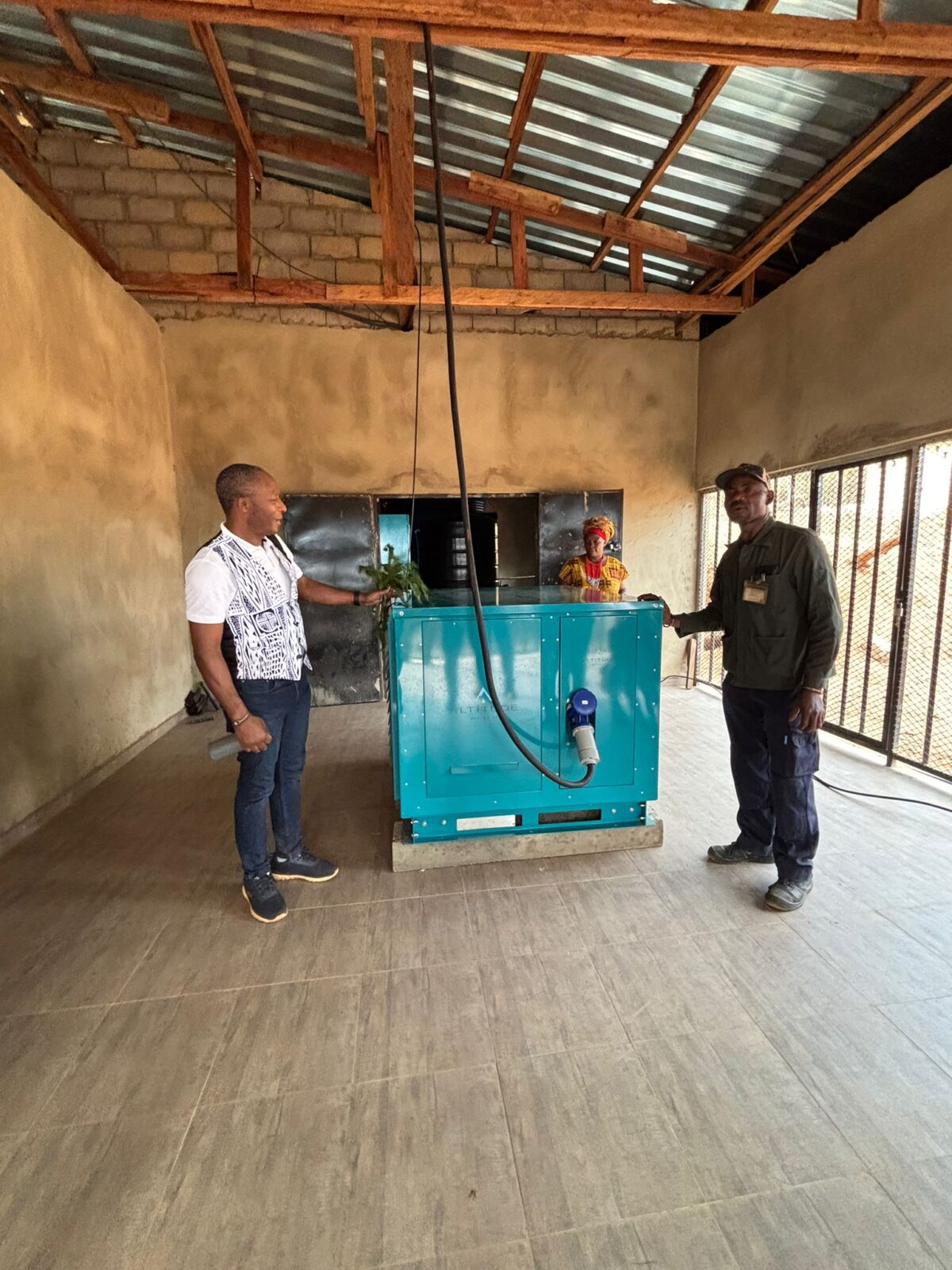
The Amy Grant Water Hub was a precursor to the Water Hub in Maka, Cameroon. The R&D, testing and modifications were developed on this property over 10 years. With the successful implementation of a large-scale hub for a village, the systems are proven and ready to market to builders and governments.

We now can not only capture water from the air, from our AWGs, but also purify existing water sources, and capture rainwater. We can implement some or all these technologies in any new construction, making the home totally water independent. Retrofits are still more complex, as there is existing plumbing making the different water sources difficult to isolate, but we can offer different options to homeowners.

We also have a new distributor that owns an architecture firm. This distributor was the one hired to design the interior of the yacht; M2 Holistic Studio and introduced Altitude Water to the project. Building the team means adding people or groups with different skills to make the company stronger. Having access to architects in this building process is huge.

The yacht announcement is exciting as it solves a HUGE issue in these ships: access to safe water. As a yacht in the ocean is surrounded by water, it reminds us of the quote we use when a hurricane strikes- “Water, water everywhere, but not a drop to drink.”

The water makers on boats are a small desalination unit that faces the same difficulty of the larger units; maintenance and upkeep. Being at sea and having your water maker malfunction is a huge issue, and will cause many to alter their plans in search of water.

Combine that with the horrible taste (a reason most yachts use their precious space for bottled water- a product that devastates the ocean they look to enjoy), and you can understand why our technology is perfect for the yachting industry. This application will also feed into our new product completing testing now- our suitcase ozone purification system for small boats and RVs.

Now let’s look at the synergies in the yacht release and the frequency release. We believe when the yacht is in dock, we can emit frequencies that will restrict barnacles and growth on the bottom of the yacht; a huge issue and expense. Additionally, when the boat leaves port, the frequency can change to put positive frequencies in the ocean to heal it. Good Vibrations team were part of Dr. Emoto’s Water Tribe and have tested frequencies in water and developed an encyclopedia of music with frequencies for different results.

This will have applications on other businesses we are about to start. Stay tuned; we are not done yet.

We are structuring Altitude Water as the holding company and having each business as a subsidiary. We are in negotiations now on getting the proper funding and executive team to come on and support the growth of the incredible foundation the team has built.

We also have another project in the data center space that is truly exceptional, and necessary. We hope to complete that transaction by the end of the month.

Stay hydrated my friends!

Categories
Atmospheric Water Generators Disaster Relief

Water Contamination in the U.S. Is Growing and Altitude Water has the Solution

The Growing Threat of Water Contamination in the U.S.


Clean water in the United States isn’t as guaranteed as many think. A staggering 26 million Americans are currently exposed to dangerous levels of PFAS—so-called “forever chemicals”—in their drinking water (The Guardian, NRDC). Even more alarming, recent EPA data shows that 158 million people may now be drinking PFAS-contaminated water (EWG).

PFAS are widespread, especially in communities near industrial zones, airports, or military bases, where firefighting foam use has heavily contaminated local water supplies (The Guardian, Harvard Chan School of Public Health). These chemicals have been linked to cancer, hormone disruption, and other serious health issues (Harvard Chan School of Public Health, The Guardian).

Meanwhile, infrastructure failures continue affecting residents in mobile home parks. A recent Associated Press review reported that nearly 70% of U.S. mobile home parks violated federal drinking water standards in the past five years, leaving families vulnerable to contamination (AP News).

Bottled Water & Filtration Systems: Band-Aids, Not Fixes


While many households depend on bottled water or home filtration systems, these are temporary solutions—and often expensive ones.

  • Bottled water contributes massively to pollution, with millions of plastic containers generated daily.
  • Home filters, including carbon and reverse osmosis systems, can reduce contaminants but still rely on potentially compromised supply sources and require frequent maintenance.

These options don’t address the root problem—and still may leave toxic chemicals like PFAS unchecked.

Why Atmospheric Water Generators (AWGs) Are a Smarter Choice


Atmospheric Water Generators offer a revolutionary, contamination-free alternative by pulling moisture directly from air and converting it into potable water that meets or exceeds EPA and WHO drinking-water standards.

Key Advantages:

  • Bypass polluted systems: AWGs are independent of aging pipes, wells, or municipal supply.
  • On-demand clean water: Produced at the point of use—ideal for homes, businesses, schools.
  • Eco-friendly solution: No plastic, no drilling, minimal environmental footprint.
  • Emergency-ready: Ideal during natural disasters when infrastructure fails.

For U.S. families navigating contamination concerns—from PFAS to aging lead pipes—the ability to generate clean, reliable water is more than convenient—it’s essential.

Real U.S. Examples of Water Contamination


  • Flint, Michigan: After decades of poisoning through lead-contaminated water, $100 million in federal and local funding was authorized to replace nearly 11,000 lead service lines (The Washington Post).
  • PFAS contamination nationwide: Nearly half of U.S. tap water supplies tested in one study contained PFAS (CNN, PBS).
  • Military base water pollution: New Mexico residents near Cannon Air Force Base showed blood PFAS levels up to 10 times those in unaffected populations (The Guardian).

These widespread contamination events, across towns, military zones, and marginalized communities, illustrate why households, businesses, and institutions need resilient water solutions like AWGs.


AWGs Empower Clean Water Independence


With water contamination risks growing from PFAS to outdated infrastructure relying solely on bottled water or filtration means treating symptoms, not the cause. Atmospheric Water Generators (AWGs) offer a forward-looking, safe, and resilient solution.

Whether you’re a homeowner, caretaker of a school or hospital, or a business leader focused on sustainability AWGs give reliable access to clean drinking water by harnessing the most reliable water source of all: the air.

Empower your home, business, or community. Discover how Atmospheric Water Generators can safeguard your water supply today.

Categories
Atmospheric Water Generators Water Wisdom

Rainwater vs Atmospheric Water: Best Off-Grid Water System?

As climate concerns grow and clean water becomes less reliable, more people are turning to self-sustaining water system like rainwater harvesting and atmospheric water generators (AWGs).

But which one is better for your home, cabin, or off-grid setup?

In this post, we’ll break down the key differences between these two technologies so you can choose the smartest and most sustainable water solution.

Quick Comparison: AWG vs Rainwater Harvesting


Feature Rainwater Harvesting Atmospheric Water Generator
Requires Rain? ✅ Yes ❌ No
Works Daily? ❌ Weather-dependent ✅ Daily production from humidity
Water Source Roof runoff Air moisture
Filtration Needed? ✅ Yes (sediment, bacteria) ✅ Yes (already built-in)
Installation Medium to complex Plug-and-play
Maintenance Gutter + tank cleaning Filter changes only
Best For Rainy climates All-year, any climate with 30%+ RH


What Is Rainwater Harvesting?


Rainwater harvesting involves collecting and storing rain from your roof or surface runoff. It’s one of the oldest off-grid water techniques, but comes with its own set of pros and cons.

✅ Pros:

  • Relatively low upfront cost

  • Scalable from small to large systems

  • Can be used for irrigation, toilets, showers

❌ Cons:

  • Only works when it rains

  • Requires large storage tanks

  • Water must be filtered and sterilized for drinking

  • Not ideal in arid or dry climates

⚠️ In many areas, rain is seasonal — meaning your system may run dry for months at a time.

What Is an Atmospheric Water Generator (AWG)?


AWGs extract moisture from the air, condense it, and purify it — producing clean drinking water directly from the atmosphere, day or night.

✅ Pros:

  • Works every day (even without rain)

  • Requires no pipes, no well, no rainfall

  • Built-in UV and multi-stage filtration

  • Great for indoor or outdoor use

  • Consistent daily output (10–500+ liters/day)

❌ Cons:

  • Requires electricity (can be solar-powered)

  • Higher initial investment

  • Works best in 30%+ humidity environments

⚡ Pairing an AWG with solar = fully off-grid, sustainable hydration.

🏡 Use Case Scenarios


🏕 Off-Grid Cabin in the Woods

  • AWG wins: Rainwater harvesting requires complex roof setups and storage.

  • AWG = consistent, safe drinking water without infrastructure.

🌴 Tropical Island or Coastal Home

  • Both options work, but AWG ensures daily production, even during dry spells.

🏙 Urban Apartment or Condo

  • Rainwater is impossible here — AWG is the only solution.

🌵 Desert or Drought Area

  • AWG with low-humidity optimization can still work.

  • Rainwater system fails due to low rainfall.

 Water Quality and Safety


Criteria Rainwater AWG Water
Sediment Risk High (from roofs) Low
Pathogen Risk Medium-high Low (UV treated)
Filtration Required Yes (complex) Yes (integrated in unit)
Safe for Drinking? Only after filtration Immediately (post-filtration)

AWGs typically deliver lab-grade, mineralized water, while rainwater often requires multiple filters, UV sterilizers, and periodic lab testing.

Cost Comparison (Realistic Estimates)


System Upfront Cost Ongoing Costs Lifespan
Rainwater (Home) $2,000–$10,000 Filter changes, tank cleaning 10–15 yrs
AWG (Home) $2,500–$5,000 Filter changes, minor power use 10–15 yrs

AWGs have a lower maintenance burden and more predictable water yield.


Environmental Impact


Rainwater Harvesting:

✅ No power needed
❌ May collect pollutants from roofs
❌ Requires large plastic or metal tanks

Atmospheric Water Generator:

✅ Eliminates bottled water
✅ Works off solar
✅ Reduces strain on groundwater
❌ Requires power (but can be clean)

Verdict: Which Is Right for You?


You Should Choose… If You…
AWG Want daily water, have inconsistent rainfall, live off-grid, want plug-and-play setup
Rainwater Live in a wet climate, need water for irrigation/toilet, have large space for tanks

But if your goal is safe, clean drinking water year-round — especially in uncertain climates — then an AWG is the better long-term solution.

Why Altitude Water Is the Leading AWG Choice


Altitude Water offers:

  • High-efficiency water generation

  • Quiet, modern designs

  • Solar-compatible systems

  • Models for home, office, and disaster relief

With powerful filtration and 24/7 production, our machines are built to help families, preppers, and humanitarian organizations stay hydrated and prepared — no matter the weather.

👉 Compare AWG Models

Categories
Atmospheric Water Generators Disaster Relief

How Altitude Water Can Help During a Tsunami

How Altitude Water Can Help During a Tsunami


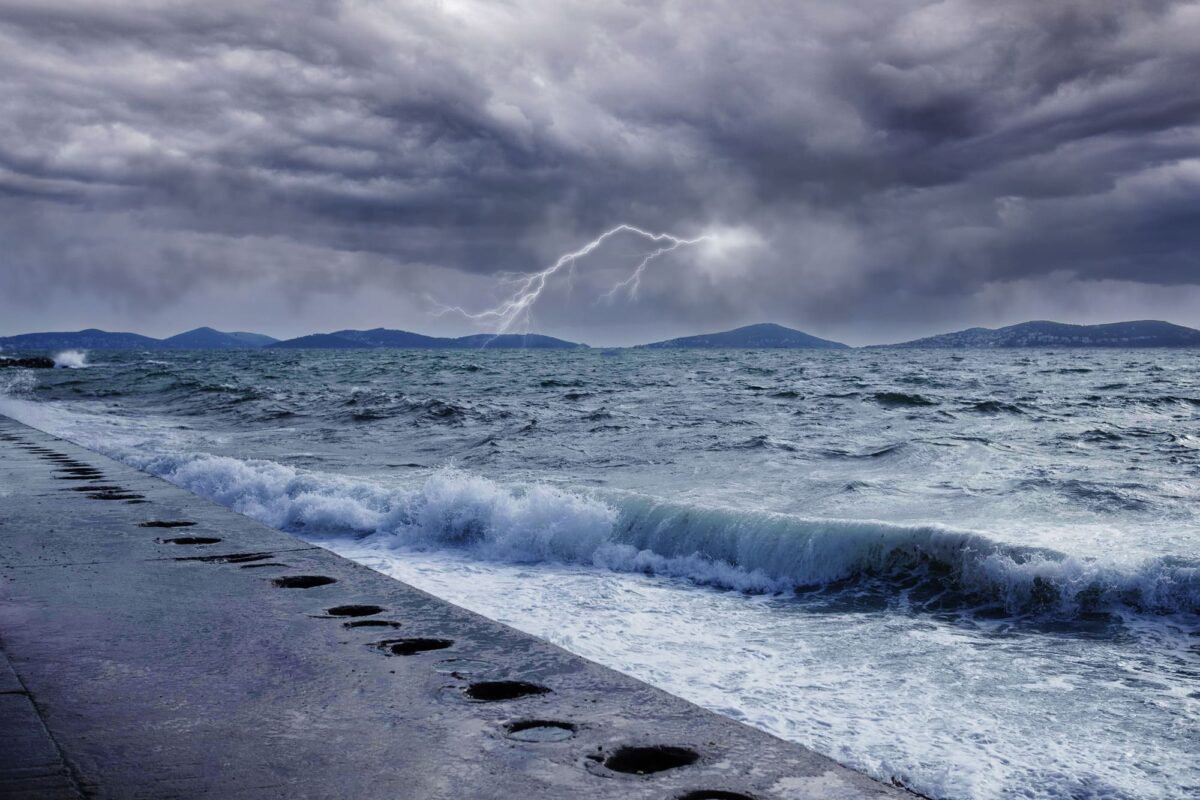
When a tsunami strikes, it brings a devastating mix of destruction, flooding, and chaos. Clean drinking water becomes one of the first and most critical resources to disappear. Flooded freshwater systems, ruptured pipelines, and contaminated supplies can leave survivors stranded without access to safe water for days, if not weeks.

This is where Altitude Water’s Atmospheric Water Generators (AWGs) can be a lifesaving solution.

Why Clean Water Becomes Scarce After a Tsunami


Following a tsunami, coastal areas are overwhelmed by saltwater from the ocean. This not only floods homes and infrastructure but contaminates freshwater sources with salt, sewage, chemicals, and debris. Traditional emergency water distribution, like bottled water or trucked-in tanks, is often delayed due to:

  • Collapsed roads and bridges

  • Disrupted supply chains

  • Damaged airports and seaports

  • Limited access to remote islands or coastal villages

In such scenarios, self-sustaining, on-site solutions like Atmospheric Water Generators can be the difference between crisis and resilience.

What Is an Atmospheric Water Generator?


An Atmospheric Water Generator (AWG) is a device that pulls humidity from the air and condenses it into clean, potable drinking water. No rivers, wells, or plumbing required.

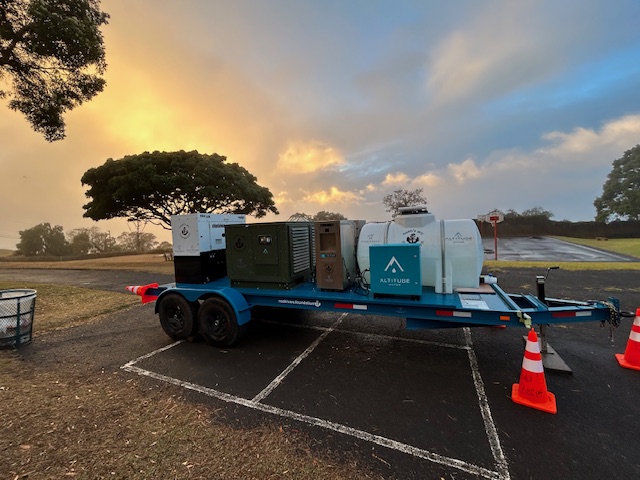
Altitude Water’s AWGs are designed to operate off-grid, powered by solar, wind, or fuel-based generators, making them ideal for post-tsunami zones where infrastructure is destroyed or unreliable.

💧 “A tsunami can destroy everything—but not the air. AWGs use the air’s humidity to regenerate a sustainable water supply, even in the worst-hit areas.”Red Cross Disaster Response Guidelines

5 Ways Altitude Water Generators Help After a Tsunami


1. Rapid Deployment in Disaster Zones

Altitude Water’s systems are mobile and modular. They can be deployed via helicopters, ships, or all-terrain vehicles. As soon as they’re plugged into a power source and exposed to air, they begin generating water, within hours, not days.

2. Safe, Contaminant-Free Water

Unlike flooded or damaged water sources, AWGs condense pure H₂O directly from the atmosphere. Every drop passes through multistage filtration and UV purification, ensuring safe drinking water that meets or exceeds WHO and EPA standards.

🔗 Learn more about WHO’s Emergency Drinking Water Standards

3. No Dependency on Damaged Infrastructure

With AWGs, communities don’t need working water pipes, wells, or municipal systems. As long as there’s humidity in the air, there’s water to drink.

This is especially crucial in tropical coastal regions (like Southeast Asia, the Pacific Islands, or the Caribbean), where ambient humidity remains high even after tsunamis.

4. Zero Waste, Zero Plastic

Emergency relief efforts often result in tons of plastic waste from bottled water. Altitude Water’s systems provide a sustainable alternative, eliminating the need for plastic packaging and the environmental impact of transporting water.

🌍 “Plastic bottles are a short-term fix with a long-term problem. AWGs are a circular solution.” — UNEP: Plastic Waste During Disasters

5. Scalable for Entire Communities

From small portable units producing 10–20 gallons/day to industrial-scale systems producing hundreds or thousands of gallons, Altitude Water solutions can scale to meet the needs of families, field hospitals, or entire shelters.


Real-World Impact: Could AWGs Have Helped in Past Tsunamis?


During the 2004 Indian Ocean Tsunami, over 1.7 million people were displaced across 14 countries. Relief agencies struggled for weeks to deliver clean water. In some remote areas, it took over 10 days to get drinkable water to survivors.

With Atmospheric Water Generators in place, the response time could have been dramatically reduced, saving lives and preventing outbreaks of cholera, dysentery, and dehydration-related deaths.

Partner With Altitude Water for Resilient Disaster Relief


At Altitude Water, we believe every disaster relief container, emergency trailer, and coastal community should be equipped with at least one AWG. The technology exists. The cost is lower than ever. And the impact is undeniable.

Whether you’re a government agency, NGO, or humanitarian organization, partnering with Altitude Water means empowering communities to survive and recover faster.

🔗 Contact us today to learn more about our tsunami-response water systems

Categories
Atmospheric Water Generators

The Global Water Crisis and the Rise of AWG Technology

The Global Water Crisis and the Rise of AWG Technology


Water covers over 70% of our planet, yet over 2 billion people still lack access to clean, safe drinking water.

How is this possible? And more importantly, what can we do about it?

As the global water crisis deepens, Atmospheric Water Generator (AWG) technology is emerging as one of the most scalable, sustainable, and life-changing solutions available today.

Let’s explore the crisis and the solution that literally pulls water from thin air.

What Is the Global Water Crisis?


The global water crisis refers to the growing shortage of clean, accessible freshwater for drinking, sanitation, and agriculture.

  • 1 in 3 people globally don’t have access to safe drinking water (UNICEF, WHO)

  • Water demand is expected to exceed supply by 40% by 2030

  • Droughts, pollution, and population growth are intensifying the problem

Many water sources are contaminated by:

  • Industrial waste

  • Pesticides

  • Microplastics

  • Heavy metals

  • PFAS (forever chemicals)

Traditional Solutions Are Falling Short


Governments and NGOs have invested in:

  • Pipelines

  • Wells

  • Water trucks

  • Filtration systems

But these require:

  • Major infrastructure

  • Ongoing maintenance

  • Access to a water source

For many remote or disaster-struck areas, these aren’t feasible or sustainable long-term.

Enter Atmospheric Water Generator Technology

AWGs create water from the air — without plumbing, infrastructure, or existing water sources.

They:

  • Pull in ambient air

  • Condense moisture using cooling systems

  • Filter and purify the water

  • Deliver clean, safe drinking water — anywhere

No pipes. No wells. No dependency on municipal systems.

It’s a self-contained water solution that works wherever humidity exists.

How AWGs Are Solving the Crisis


1. Disaster Relief & Humanitarian Aid

AWGs are being deployed in:

  • Earthquake and flood zones

  • Refugee camps

  • War-torn regions

They provide clean water when no other systems work.

2. Off-Grid & Rural Communities

In villages without running water, AWGs offer independence and health security.

Solar-powered models can operate in remote areas with no electricity or infrastructure.

3. Urban Sustainability

Cities are turning to AWGs to:

  • Reduce strain on water grids

  • Eliminate bottled water in offices and public spaces

  • Create circular water systems for zero-waste buildings

Global Adoption Is Accelerating


Governments and organizations investing in AWG tech include:

  • The U.S. Military (for remote field hydration)

  • India and Israel (to combat drought)

  • Red Cross and UNICEF (for disaster zones)

Countries with arid climates or polluted groundwater are leading adopters.

Why Altitude Water Is Leading the Way


At Altitude Water, we believe water is a human right — and technology should make it accessible to all.

Our Atmospheric Water Generators are:

  • Energy-efficient

  • Scalable from homes to entire communities

  • Built with cutting-edge purification systems

  • Backed by clients in over 30 countries

From individual families to international aid groups, we’re helping the world turn air into a lifeline.

👉 Explore Altitude Water’s Solutions
👉 Partner With Us to Fund Clean Water Projects

The global water crisis is one of the biggest challenges of our time. But within that crisis lies an opportunity, to reimagine water access through innovation, sustainability, and action.

Atmospheric Water Generators are not science fiction. They’re science fact, and they’re saving lives today.

If you’re looking for a way to reduce waste, support sustainability, or bring clean water to those in need, AWG technology is the future and it’s available now.

I’ve been tracking something remarkable in the water technology space. The numbers tell a story that most people aren’t seeing yet.

The atmospheric water generator market hit $2.8 billion in 2024. That’s not the remarkable part.

The remarkable part is where it’s headed. Growth projections range from 8% to 14.8% annually, with residential applications showing 17.3% growth rates. When I see numbers like these, I dig deeper.

The Economic Reality Check


Here’s where the math gets interesting. Every dollar invested in water security generates $4.30 in economic growth. Meanwhile, regions could see GDP decline by up to 6% by 2050 due to water-related losses.

The investment thesis writes itself.

Industrial AWG units now generate over 75,000 liters daily. Residential systems serve individual households. The scalability range spans six orders of magnitude. That’s the kind of market flexibility that creates sustained growth.

Beyond Crisis Response


The applications are expanding faster than the technology itself. Fortune 500 medical companies are integrating AWG for in-home kidney dialysis. Military operations use portable units to eliminate water transport logistics. Agriculture deployments are reducing irrigation dependency.

Each sector represents a different revenue stream. Each revenue stream validates the core technology. Each validation expands the addressable market.

What the Data Reveals


I’m watching three convergent trends. Water scarcity is accelerating due to climate disruption. Traditional infrastructure can’t scale fast enough. Decentralized solutions are becoming economically competitive.

The intersection of these trends creates what economists call a forcing function. Market demand becomes inevitable rather than speculative.

The residential segment growth rate of 17.3% suggests consumer adoption is moving beyond early adopters. When residential markets show double-digit growth, institutional adoption typically follows within 24 months.

The Transformation Timeline


Market forces are aligning around a simple reality. Water access determines economic viability. Economic viability drives investment. Investment accelerates technological refinement.

The cycle is self-reinforcing now.

What started as crisis response technology is becoming infrastructure replacement technology. The market is responding accordingly.